






Summer inspection – what to check before the season?
Before you head out on your summer adventure, make sure to take care of the following:
- Operating fluids: check the level and condition of engine oil, coolant, and brake fluid.
- Braking system: discs, pads, and brake lines – ensure everything works perfectly.
- Drive and suspension: cleaning, lubricating, and checking chain tension; inspect sprockets and shock absorbers.
This basic check helps you avoid unpleasant surprises on the road.
The importance of original Kawasaki spare parts
Many motorcyclists ask: is it worth paying extra for originals? The answer is: absolutely. Original Kawasaki spare parts:
- Ensure full compatibility with your model
- Meet the manufacturer’s safety and quality standards
- Protect the engine, suspension, and drivetrain from wear
Non-original replacements often lack in quality, leading to faster wear and potential malfunctions.
Original Kawasaki oil filters – keeping your engine in top shape
The oil filter plays a crucial role in protecting the engine from contaminants. In summer, with higher loads and frequent riding, its quality becomes even more important. Original Kawasaki oil filters:
- Trap micro particles and deposits
- Offer proper flow capacity
- Are perfectly matched to your model
Replace the filter with every oil change – typically every 6,000–12,000 km or once per season.
Original air filters – cleanliness that drives performance
The air filter protects the engine from dust, dirt, and insects. In summer, when roads are dry and air is full of pollutants, filtration is especially important. Original Kawasaki air filters ensure:
- Optimal airflow
- Precise filtration without power loss
- Extended engine life
Regular inspection and cleaning – or replacement when necessary – should be a consistent part of your summer maintenance routine.
Summer check of tires and suspension
Summer trips often mean heavy motorcycle loads – both in terms of weight and temperature. That’s why tire and suspension condition should never be overlooked:
- Tires – Check tread depth, cracks, and proper pressure. Low pressure can lead to overheating and accelerated wear.
- Suspension – Shock absorbers should work smoothly and be free of leaks. Also check the stiffness settings based on your riding style and load.
Proper suspension and good tires improve comfort and safety – especially on hot, heated roads.
Regular oil changes – the foundation of durability
Summer temperatures put extra stress on engine oil. Heat accelerates its degradation, which can reduce engine performance.
- Change the oil according to manufacturer recommendations – usually every 6,000–12,000 km.
- Use the oil recommended for your Kawasaki model (you can find it here).
- Always change the oil filter during every oil change – it’s best to use original Kawasaki oil filters.
Chain maintenance during summer
High temperatures and road dust affect the chain’s performance. A neglected drive system can wear out quickly or even cause failure during riding.
- Clean every 500–800 km
- Lubricate using motorcycle-specific products
- Check and adjust chain tension
Once per season, inspect the entire drivetrain (chain and sprockets) – especially if you've ridden several thousand kilometers.
Cooling during heat – how to avoid engine overheating?
Your Kawasaki engine must operate at the right temperature to maintain efficiency. On hot days, the cooling system can be under extra strain.
Key components to inspect:
- Coolant – check its level and quality. Replace every 3 seasons or sooner if it loses its properties.
- Radiator – make sure it’s not clogged with insects or dust.
- Radiator fan – ensure it activates at the correct temperature.
Never ignore signs of overheating – they can lead to a blown head gasket and costly repairs.
Battery – can summer months harm it?
Although winter is known as the enemy of batteries, summer also deserves caution. High temperatures can cause faster evaporation of the electrolyte and voltage drops.
What you should do:
- Measure resting voltage – it should be above 12.6 V
- Ensure the charging system works properly
- If the bike is unused, disconnect the battery or use a maintainer charger
Storing your motorcycle during short summer breaks
If you plan breaks from riding, make sure your motorcycle is stored in good conditions:
- Keep it in a shaded, dry place
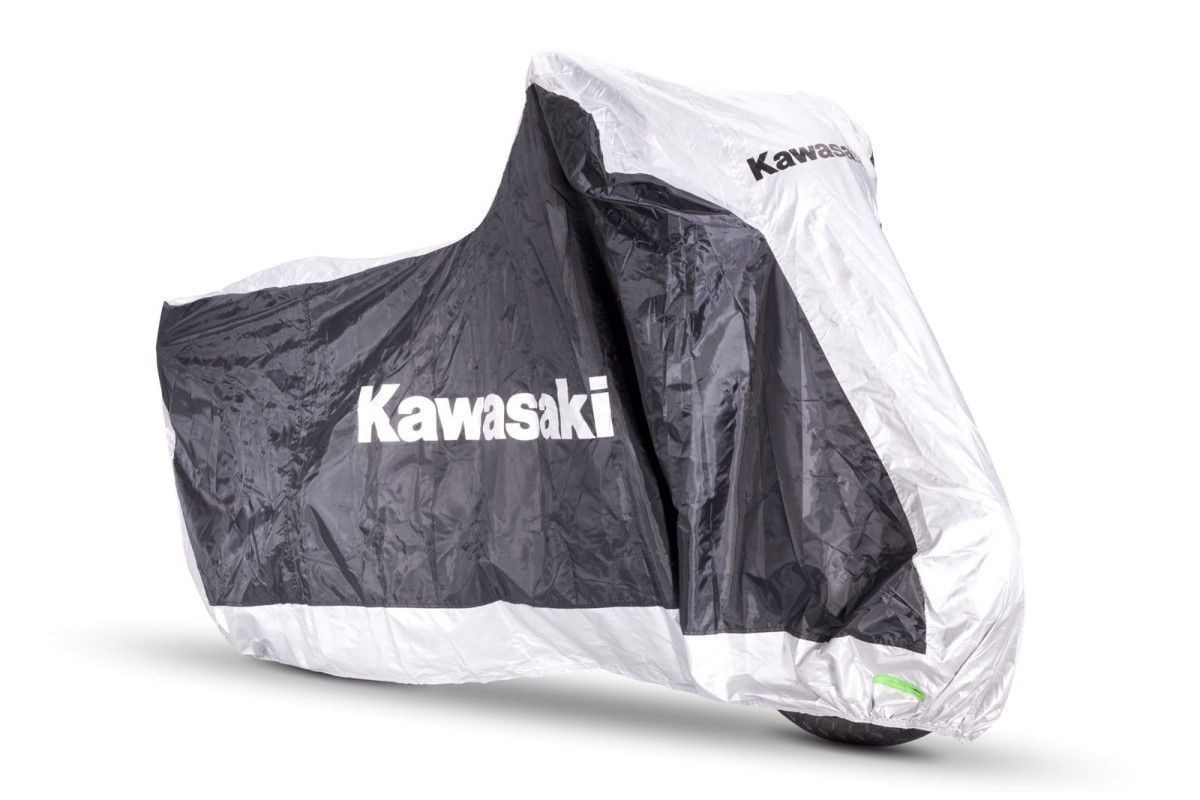
- Use a breathable motorcycle cover – never foil!
- Take care of the battery – even a week without riding can drain it
Kawasaki summer service checklist

| Component | Action | Frequency |
|---|---|---|
| Engine oil | Change | Every 6–12k km |
| Oil filter | Change | With oil change |
| Air filter | Clean / Replace | Every season |
| Tires | Check pressure/tread | Every 500 km |
| Drive chain | Clean and lubricate | Every 500–800 km |
| Cooling system | Check coolant | Every season |
| Battery | Measure voltage | Monthly |
Where to find help and technical support?
If you have any doubts, reach out to us – use our contact form or call: 22 250 21 51. Our Advisors will gladly help with anything related to your Kawasaki motorcycle.
Summer is the perfect time for road trips and exploration on two wheels. To make every ride safe and enjoyable, take care of your Kawasaki:
- Use original Kawasaki spare parts – don’t compromise on quality
- Regularly check oil and air filters
- Follow the service schedule
- Maintain the cooling system, battery, and suspension
Ready for summer rides? With proper care, your Kawasaki will always be road-ready!